
When cell towers go down and the internet is out, ham radio operators are still talking. Here's how to get licensed and what gear actually matters.
Why Ham Radio for Preparedness?
In every major disaster — hurricanes, earthquakes, wildfires — cell networks become congested or fail entirely within hours. Internet infrastructure follows. Ham radio operators, by contrast, were communicating during Hurricane Katrina when nothing else worked.
The Amateur Radio Emergency Service (ARES) and Radio Amateur Civil Emergency Service (RACES) are formal organizations that coordinate ham radio operators with emergency management agencies. Getting licensed puts you in a position to both receive and relay critical information when it matters most.
Getting Licensed
The FCC Amateur Radio license has three levels: Technician, General, and Amateur Extra. For emergency preparedness, the Technician license is sufficient.
The Technician exam: 35 multiple-choice questions, 26 correct to pass. No Morse code required. The question pool is publicly available — you can study the actual exam questions.
- HamStudy.org (free, excellent)
- ARRL Ham Radio License Manual (~$30)
- Gordon West study guides
Most people pass the Technician exam with 2-4 weeks of casual study. The exam fee is $15. Find an exam session at arrl.org/find-an-amateur-radio-license-exam-session.
Essential Gear for Emergency Use
Handheld transceiver (HT): Your first radio. The Baofeng UV-5R ($25) is popular for its price, but the Yaesu FT-60R ($130) is far more reliable. For serious emergency use, invest in quality.
Mobile VHF/UHF radio: A 50W mobile radio (Yaesu FT-7900R or similar) with a proper antenna gives you much more range than a handheld. Mount it in your vehicle.
HF radio: For long-distance communication (hundreds to thousands of miles), you need an HF radio and a General or Extra class license. The Icom IC-7300 is the gold standard for new operators.
The Practical Setup
For most preppers, the priority order is:
- Technician license + quality HT — communicate locally, access repeaters
- Mobile radio in vehicle — extended range, reliable power
- General license + HF radio — regional and national communication capability
Repeaters: Your Force Multiplier
A repeater is an automated relay station, usually on a hilltop or tall building, that receives your signal and retransmits it at higher power. A 5W handheld radio through a good repeater can communicate 50-100 miles.
Find local repeaters at repeaterbook.com. Program them into your radio before you need them.
Practice Before You Need It
A license and a radio in a drawer is not preparedness. Get on the air regularly. Join a local ham radio club. Participate in emergency communication exercises. The skills rust quickly without practice.
More in Survival & Prep
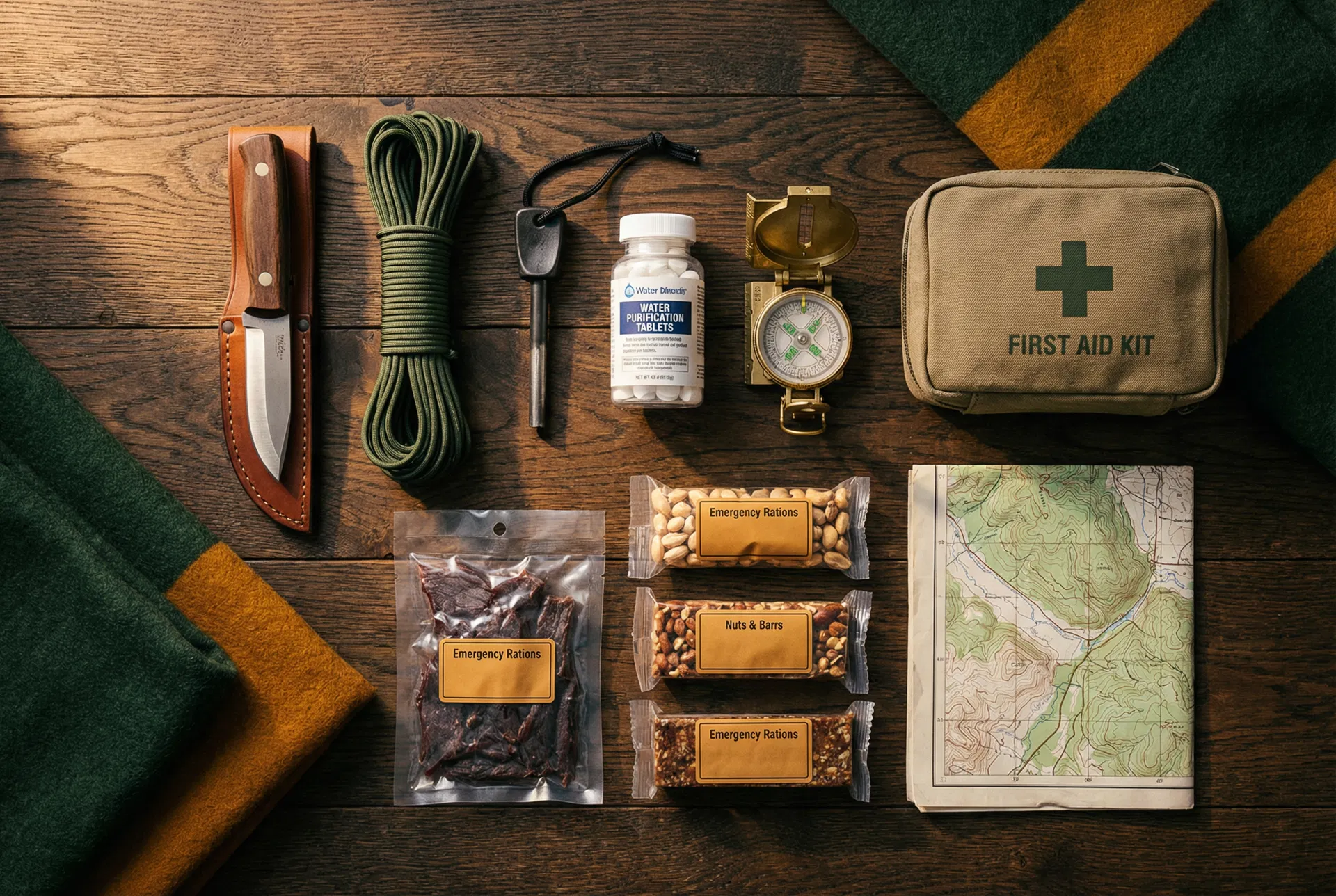
The 72-Hour Bug-Out Bag: What Actually Goes In It
Forget the YouTube lists full of gadgets you'll never use. This is the bag I've actually tested, carried, and refined over five years of preparedness.
Food Storage for Beginners: The 3-Month Plan That Actually Works
You don't need a bunker or $5,000 to build a meaningful food supply. Start here, start small, and build systematically.