
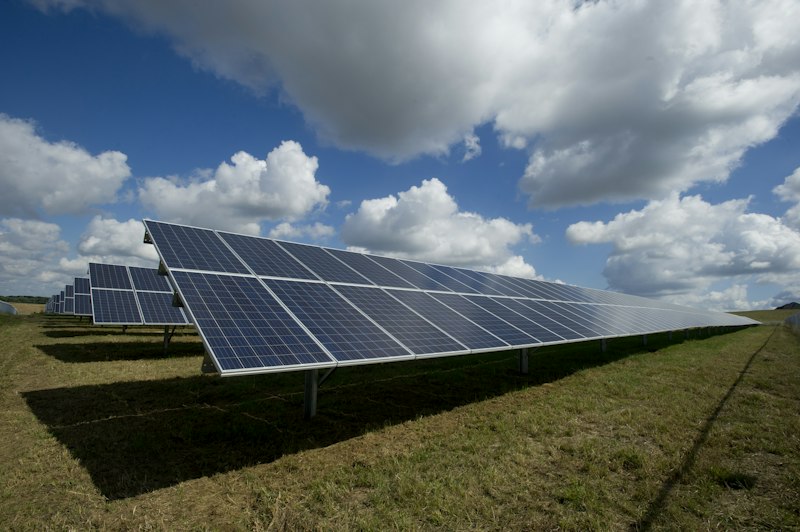
Skip the $10,000 commercial units. With the right cells, a quality BMS, and this guide, you can build a 10 kWh battery bank for under $3,000.
Why LiFePO4?
Lithium iron phosphate (LiFePO4 or LFP) is the chemistry used in Tesla Powerwalls, most quality EV batteries, and the best DIY energy storage systems. It's stable, safe, long-lived (3,000-6,000 cycles), and doesn't catch fire when punctured or overcharged — unlike other lithium chemistries.
System Overview
- LiFePO4 cells — the actual energy storage
- Battery Management System (BMS) — protects cells from over/under voltage, over-current, and temperature extremes
- Inverter/Charger — converts DC battery power to AC household power
- Busbars and wiring — connects everything safely
- Enclosure — houses and protects the system
Choosing Your Cells
The most popular DIY choice is the 280Ah prismatic cell, available from several Chinese manufacturers. At 3.2V nominal, four cells in series give you 12.8V. Eight cells give you 24V. Sixteen cells give you 48V (the most efficient for larger systems).
Recommended suppliers: CATL, EVE, and CALB cells are the most reliable. Buy from established importers who test cells before shipping.
For a 10 kWh system at 48V: 16 cells × 280Ah × 3.2V = 14.3 kWh gross (about 12 kWh usable with a good BMS).
The BMS: Don't Skimp Here
The BMS is the safety system for your battery. A cheap BMS can destroy your cells or create a fire hazard. Invest in a quality unit.
Recommended: Daly, JK BMS, or Seplos BMS. For a 48V 280Ah system, you want a 100-150A BMS with active balancing.
Inverter Selection
- Charge from solar (MPPT input)
- Charge from grid
- Power loads from battery
- Seamlessly switch between sources
Good options: Victron MultiPlus, EG4 6000XP, Growatt SPF 5000. The EG4 6000XP is particularly popular in the DIY community for its features-to-price ratio.
Assembly Safety Rules
- Never work on a live battery bank alone
- Use insulated tools rated for your voltage
- Install a main fuse or circuit breaker between battery and inverter
- Never short the terminals — even briefly, the current is enough to weld metal
- Install in a ventilated space — LiFePO4 is safe but still off-gases slightly during charging
The Build Process
Step 1: Top-balance your cells. Before assembly, charge each cell individually to 3.65V. This ensures all cells start at the same state of charge.
Step 2: Build your bus bars. Use copper bus bars sized for your current. For a 100A system, use 1/4" × 1" copper bar.
Step 3: Assemble the battery pack. Arrange cells in series, connect bus bars, and install the BMS according to its wiring diagram.
Step 4: Configure the BMS. Set your cell voltage limits: low cutoff at 2.8V, high cutoff at 3.65V, balance start at 3.4V.
Step 5: Configure the inverter. Set battery type to LiFePO4, charge voltage to 54.4V (for 16S), float voltage to 53.6V.
What to Expect
A well-built 16S 280Ah LiFePO4 system will give you 10+ years of reliable service with minimal maintenance. The cells will outlast most of the other components. I check my system quarterly — inspect connections for corrosion, verify BMS readings, and check that all cells are balancing properly.
Total cost for my 10 kWh system: $2,850 in parts, about 20 hours of work.
More in Off-Grid Power
Tesla Powerwall + DIY Solar: What Nobody Tells You Before You Buy
I spent six months researching off-grid power before pulling the trigger. Here's the honest breakdown of costs, gotchas, and whether it's actually worth it.
How to Size a Solar System for Your Home (Without the Sales Pitch)
Solar salespeople want to sell you the biggest system possible. Here's how to calculate exactly what you need — and nothing more.