Most raised beds rot within 5 years. Here's how to build them right — with the right wood, the right joinery, and the right soil mix.
The Wood Choice Is Everything
Most raised beds are built from untreated pine or cedar. Pine rots in 3-5 years. Cedar lasts 10-15 years. But there's a better option that most people don't consider: black locust.
Black locust is naturally rot-resistant, harder than oak, and in many parts of the US, it's considered an invasive species — meaning you can often get it free from tree services. It will outlast cedar by decades.
- Cedar (Western red cedar is best): 10-15 year lifespan
- Redwood: 15-20 years, but expensive
- Black locust: 25+ years
- Pressure-treated lumber (ACQ): 20+ years, safe for food gardens with modern formulations
Avoid: pine, spruce, fir (rot quickly), and old-style CCA pressure-treated lumber (contains arsenic).
The Design
- Width: 4 feet maximum — you can reach the center from either side
- Length: 8-12 feet (longer beds are harder to work around)
- Height: 12 inches minimum, 18-24 inches ideal for root vegetables
- (2) 2x12x8 boards (long sides)
- (2) 2x12x4 boards (short sides)
- (4) 4x4x14" posts (corner posts)
The Joinery
Don't just butt the corners together and screw them — this is why most beds fail. The corners rack over time and the screws pull out.
The right approach: Use 4x4 corner posts. The side boards attach to the posts, not to each other. Drill pilot holes and use 3" exterior screws or 3/8" carriage bolts. The posts take the racking stress off the screws.
The Soil Mix
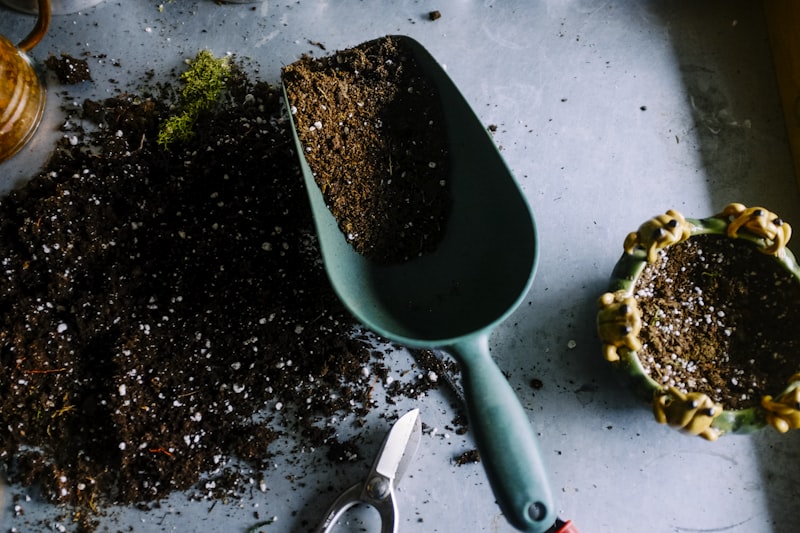
- 1/3 blended compost (use 5+ different sources)
- 1/3 peat moss or coconut coir
- 1/3 coarse vermiculite
For a 4x8x12" bed (32 cubic feet), you need about 32 cubic feet of mix. This costs $150-200 but produces dramatically better results than cheap topsoil.
Weed Barrier
Line the bottom of the bed with cardboard (free from any store) before adding soil. It smothers existing weeds, breaks down over time, and encourages earthworms. Do not use landscape fabric — it restricts root growth and becomes a weed trap over time.
Irrigation
Install drip irrigation before filling with soil. A simple drip line from a timer costs $30-50 and saves hours of watering time. Water at the roots, not the leaves — this reduces disease and water waste.